Strategy is a living practice.
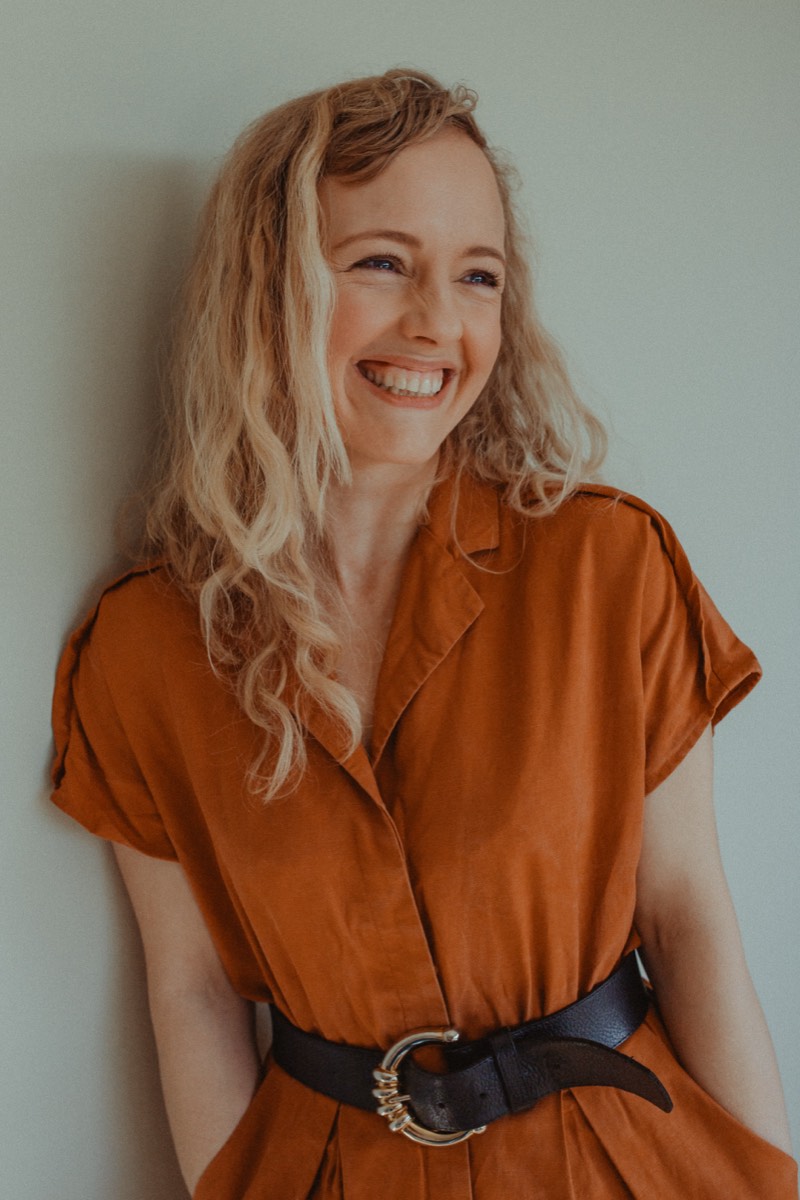
Not a document written once and filed away, but a set of decisions you keep making well. Three of them form the backbone: who you are for, what you offer, and how you distinctively create and deliver value. Get those holding together and the rest of the business has something to align to. Over time, that is what becomes an edge. I’m Charlotte Drake and I work with businesses to help them create and live out strategy.
The thinking is the same. The depth, language and shape of the work change depending on who I am working with.
For founders & small businesses
A suite of practical strategic tools and experiences, from a decision-led system you work through yourself to a year-long working group.
ExploreFor organisations & consultancies
Bespoke strategic capability for MDs and CEOs, and additional strategic thinking inside consultancy engagements.
ExploreThe three decisions everything else depends on.
There are many more decisions in a strategy than these. But these are the ones the others rest on, and the ones most often left implicit.
-
01
Who you are for
The part of the market you are choosing to serve. And, just as deliberately, the parts you are not.
-
02
What you offer
The value you actually create, and the people it is genuinely worth something to.
-
03
How you create and deliver it
The distinctive way that value gets made and reaches people. This is where an edge comes from, and why a good one is difficult to copy.
Held together, they are where a competitive advantage starts. Everything downstream, from pricing and channels to hiring and the shape of the offer, either reinforces them or quietly works against them.
Greater focus, clearer direction, better decisions. And a business better built because of them: stronger foundations, more robust positioning, and health over the long term.
What that means in the work.
-
01
It has to work in context
There is no useful strategy in the abstract. Choices have to make sense for the organisation making them: its ambitions, market, capabilities, constraints and culture.
-
02
Assumptions need surfacing
Decisions are often built on beliefs nobody has examined. I make them visible, so leaders can separate what they know from what they are assuming.
-
03
Choices should be pressure-tested
A plausible idea is not enough. What would have to be true for this to work, does it fit together, and where might it break?
-
04
It has to show up operationally
The work is not finished when a strategy is articulated. Intent has to reach priorities, resourcing, positioning and everyday decisions.
-
05
The horizon is long
A position that wins this quarter and erodes the next was never really a strategy. The test is whether the choices still hold as the market moves, and whether the advantage they create gets harder to copy rather than easier.
“Working with Charlotte was definitely a turning point for us; realisations, directions and clarity on how we want to move the business forward.” Helen, Co-Founder, FoldiMats
Most strategy work stops at the point the difficult part begins.
A strategy that has been articulated is not yet a strategy that is being lived. The gap between the two is where good intentions quietly disappear into competing priorities, unexamined assumptions and everyday decisions that pull in another direction.
So I work with people across both halves: creating strategy, and living it out. Sometimes that means shaping the thing directly. Sometimes it means challenging and pressure-testing what already exists, or translating direction into operational choices. Often it means strengthening a team’s ability to keep doing this as the context changes, because an advantage nobody maintains is only a head start.

A decision-led system for founders.
Clarity First helps the owner of an established business simplify and align it around what matters most, not by adding more ideas, but by making the decisions that create focus. Every module ends in one.
It exists because the same structural questions kept surfacing in client work, and because clarity comes from deciding what matters, not from gathering more information.
Fractional Director of Strategy & Growth
doFlo / Glow: shaping and delivering strategic vision across brand, product and operations in an AI-powered automation start-up.
Independent strategic advisory
Embedded work with early-to-growth-stage tech and service businesses, connecting strategy across growth, operations, organisational design and positioning.
Director, Corporate Development
Alchemy Energy Partners: brand, services and product development alongside the partners, extending into operations, culture and internal communications.
Oxford Saïd
AI-Driven Business Transformation Executive Programme, completed in the top band. Strategy under uncertainty, and the future context organisations decide in.